Identity Loss After Leaving the Mormon Church - You Were Never Just a Calling
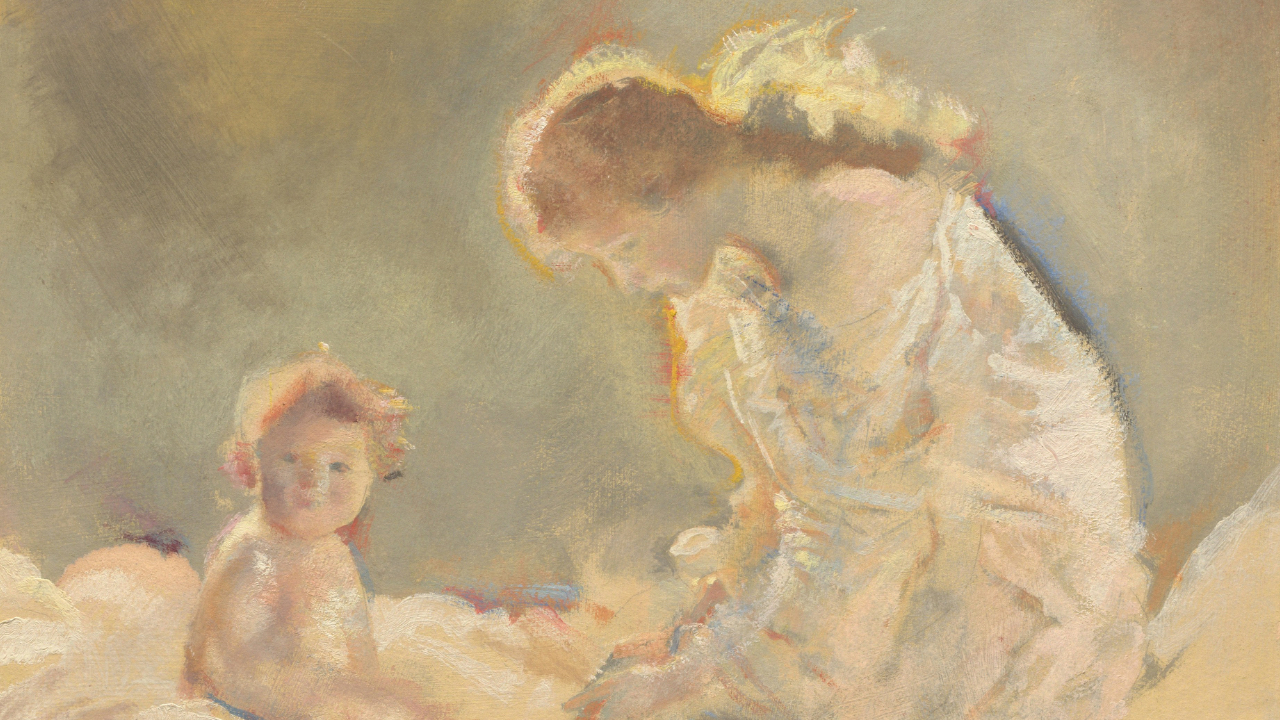
I was maybe two years out of the church when it happened. I was standing in an art supply store — already a strange experience, because buying things purely for my own pleasure still felt vaguely transgressive — and the woman at the counter asked me what I liked to paint.
I stood there. Like she'd asked me something in a foreign language.
What did I like? Not what was I working on for a project. Not what had been requested of me. Not what would be useful or edifying. What did I, personally, actually like.
I didn't know. I genuinely did not know.
I think a lot of women who've left high-control religious systems have had a version of that moment. Maybe it was at a restaurant, when you realized you'd been ordering based on what seemed reasonable for so long you'd lost track of what you actually wanted to eat. Maybe it was when a friend asked what you do for fun and you listed things that were really just more service with a prettier name. Maybe it was quieter than that — just a Tuesday afternoon with nothing required of you, and a panic you couldn't explain.
That panic has a name. It's not anxiety. It's identity disorientation. And it is one of the most common and least talked about experiences of women leaving the church.
Here's what I want you to understand about why this happened. I mean this with complete seriousness:
You were not weak. You were obedient. And the system was very, very good at what it did.
In the Mormon church — and in most high-control religious systems — a woman's identity is not built around the question who are you? It's built around who are you in relation to others? You are a daughter of God. A wife. A mother. A Relief Society president. A visiting teacher. A soft place for everyone else to land.
Every one of those identities is relational. Every single one is defined by your function for someone else.
From the time you were a small girl, your Sundays were structured around service and community — not personal rest. Your creative gifts were channeled into things that served the ward, the home, the family. Your emotions were managed to keep the peace. Your body was discussed almost entirely in terms of modesty — meaning it existed in relation to other people's experience of it, not your own.
Decade after decade of that, and of course you don't know what you like. Of course you feel guilty when you take up space. Of course you're exhausted in a way that sleep doesn't fix. You've been carrying everyone else's life inside your body for years.
There's a particular grief in this kind of lost selfhood that's different from ordinary grief. With regular grief, you know what you lost. You can point to it.
But when you've lost yourself slowly, over years, through a thousand small acts of self-erasure that were framed as virtue — the grief is disorienting because you can't fully name what's missing. You just know something is.
You might feel it as a flatness. A sense that your life is fine on paper but hollow in practice. You might feel it as a strange envy when you see other women who seem to know what they want, who take up space without apologizing, who make things just because they feel like it.
You might feel it as a rage that surprises you. That rises up at odd moments — in a church meeting, at a family dinner, folding laundry at 10pm — and you push it back down because good women don't rage.
That rage is not something wrong with you. That rage is your self, knocking.
It is not a linear process. It doesn't happen because you read the right book or listen to the right podcast. It's not a decision you make once. It's more like a series of very small, very deliberate acts of paying attention to yourself. Of treating your own inner experience as information worth listening to.
What I've found — in my own journey and in working with women — is that creativity is one of the most direct routes back. Not because you need to be an artist. Not because making things is a therapy assignment. But because when you make something with your hands, with no utility and no audience attached, your body starts to remember things your mind has forgotten.
It remembers what it feels like to follow an impulse just because you want to. To make a mess without apologizing. To make something that is purely, entirely yours.
This week, try making something with no purpose. It doesn't have to be painting — it can be arranging things on your kitchen counter because you like how they look, or buying flowers for yourself, not for a guest or an occasion. Just because.
When you do it, notice the voice that says this is indulgent, this is selfish, you should be doing something useful. Don't argue with it. Just notice it. Say: there you are.
That voice is important data. It's the recording of years of training. You can't turn it off by fighting it — but you can start to hear it clearly enough to choose differently. And that's where it starts. Not with a grand reclamation. Just with noticing.
You were never just a calling. You were never just a role. You are a whole person with a whole interior life that has been waiting, quietly and patiently, for you to come home to it.
And you're already on your way.
If you are ready to take this work to a deeper level, sign up for Sunday Muse! You'll get a free therapeutic art activity in your inbox every week designed specifically to help you go from confusion to clarity so you can create the beautiful, healthy, post Mormon life you deserve.