But doubt is not the opposite of creativity.
It is the beginning of it.
Creativity requires uncertainty. It requires the willingness to enter a space where th
...
There is a feeling you know very well.
You felt it in sacrament meeting. In the quiet after a prayer. Reading a scripture that landed somewhere deep. It was warm. It was certain.
And you were told that feeling was proof — that it was the Holy Ghost confirming the church was true.
Then you fou...
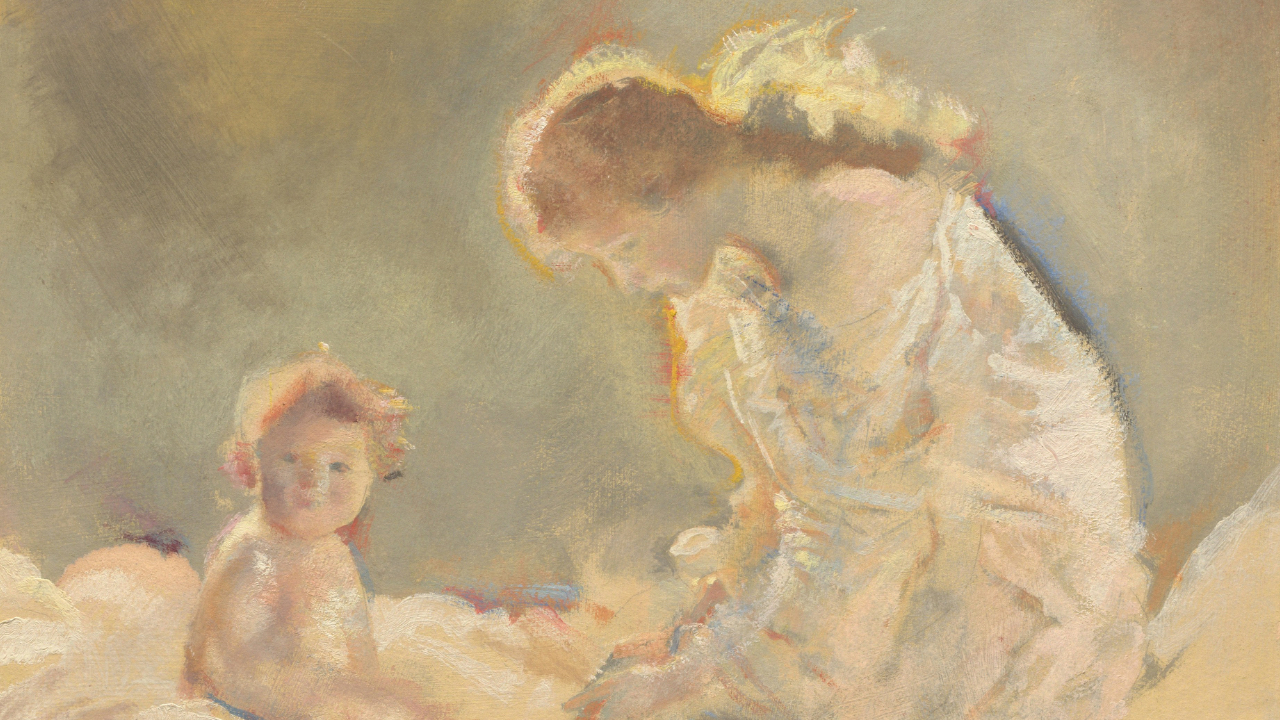
I was maybe two years out of the church when it happened. I was standing in an art supply store — already a strange experience, because buying things purely for my own pleasure still felt vaguely transgressive — and th
...
If you've been feeling resentful and then immediately judging yourself for it — this is for you.
There was a season of my life where I felt low-grade resentment almost all the time. Nothing dramatic was happening. On the outside everything looked fine. But internally I felt tight, irritated, and...

Teach them the right rules.
Correct their mistakes.
Protect them from pain.
Make sure they grow into stable, successful adults.
But that’s not actually the hardest part of parenting.
The hardest part of parenting is managing your...

Most people pursue healing, awakening, or transformation because they believe it will make them feel better.
They imagine peace. Relief. Stability. They imagine that once they’ve done enough work—p...

Doubt has been framed as something to overcome. Something to resolve quickly. Something that stands between you and clarity.
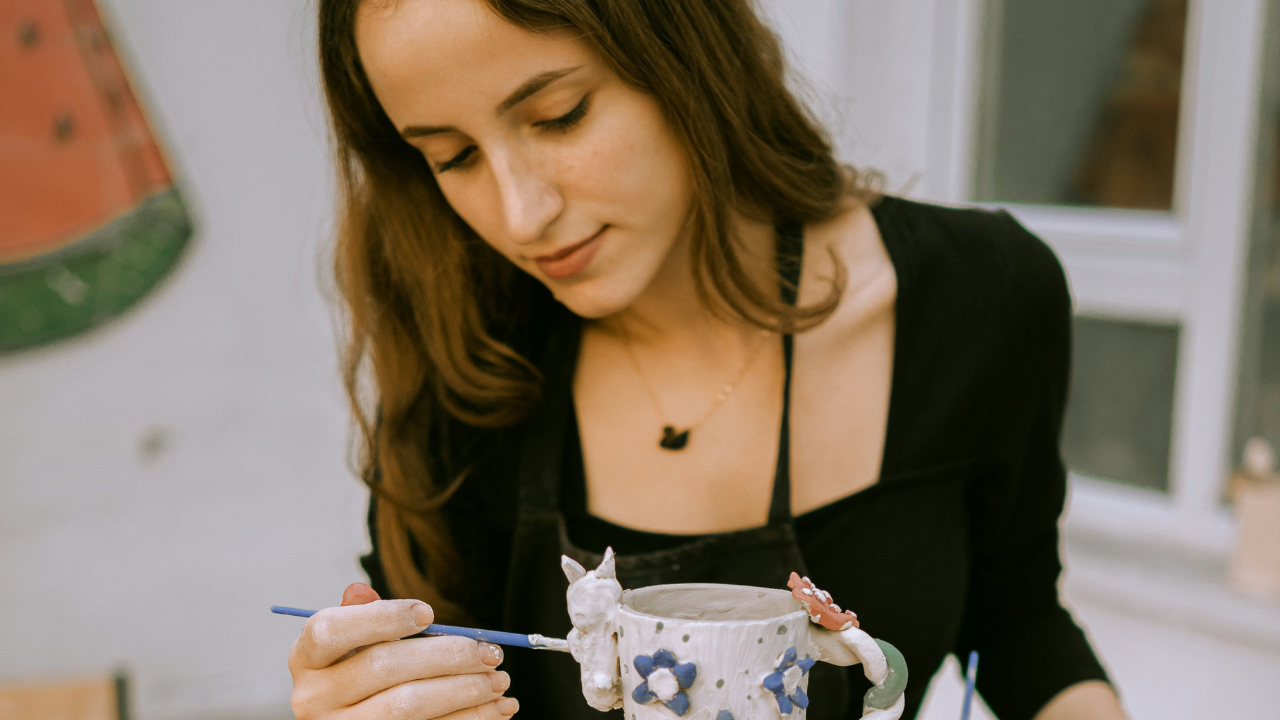
Flow is a state of deep absorption where action and awareness merge.
Time distorts. Self-consciousness quiets. Effort feels purposeful rather than draining.
Neuroscientifically, flow is associated with reduced activity in the prefrontal cortex — the part of the brain res...

For much of history, spirituality has been defined through a masculine lens.
Not because men are more spiritual—but because the people with power were the ones writing the rules.
Masculine spirituality has been shaped around hierarchy, obedience, endurance, and self-denial. It rewards restraint...

Episode 36 – Audacity
Stop Waiting to Be Chosen
Many of us weren’t taught to trust our inner authority—we were taught to wait for it to be assigned.
Audacity is the moment you stop waiting for the call and start responding to yourself.
Audacity isn’t arroganc...

Every time the world feels like it’s unraveling, a familiar idea resurfaces:
Now is not the time for creativity.
It can sound responsible. Mature. Moral, even.
When there is suffering, violence, injustice, or uncertainty, making art can feel frivolous—or worse, selfish.
I understand why that th...

If self-care has started to feel like another obligation you’re not doing well enough, I have good news for you:
the problem isn’t you — it’s the way self-care has been defined.
That might sound dramatic. And to be clear, I don’t hate car...
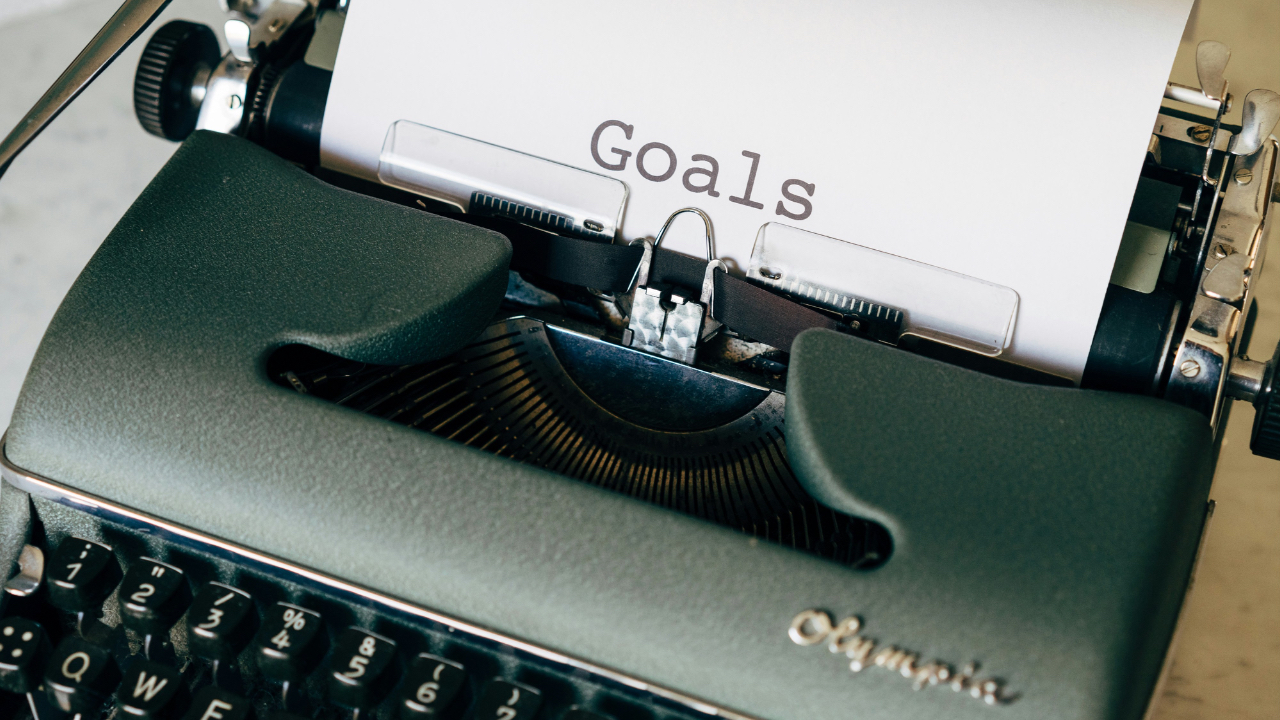
If the idea of setting goals fills you with tension instead of motivation, you’re not broken — and you’re not failing at “mindset.”
For many women, especially those who were raised in high-demand systems like Mormonism, goals were never neutral. They were loaded with pressure, worthiness, compar...

Get started today before this once in a lifetime opportunity expires.